Exploring The Role Of Gut Health in Overall Wellness
Exploring the Role of Gut Health in Overall Wellness
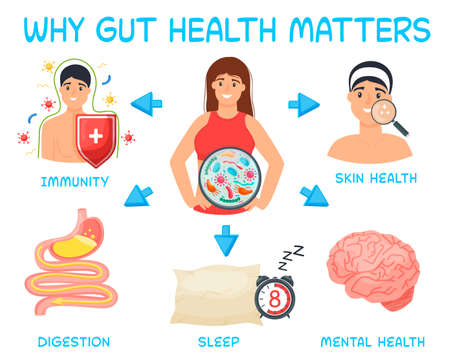
In recent years, the phrase “gut health” has become a buzzword in wellness circles, and for good reason. The state of your gut is intricately connected to your overall health and well-being. This complex and often overlooked system plays a crucial role in various bodily functions, from digestion and immunity to mental health and beyond. In this blog, we’ll delve into the significance of gut health, its impact on overall wellness, and how you can support a healthy gut for a more vibrant life.
What is Gut Health?
Gut health refers to the balance and functioning of the gastrointestinal (GI) tract, which includes the stomach, intestines, and other digestive organs. It encompasses the overall health of the gut lining, the balance of gut bacteria (microbiota), and the gut’s ability to perform its essential functions effectively.
The Importance of Gut Health
1. Digestive Function
The primary role of the gut is to digest food, absorb nutrients, and eliminate waste. A healthy gut ensures that your digestive system operates efficiently, breaking down food, absorbing essential nutrients, and expelling toxins and waste products.
Benefits:
Improved nutrient absorption
Reduced risk of digestive issues such as bloating, constipation, and diarrhea
Enhanced energy levels and overall vitality
2. Immune System Support
Approximately 70% of the immune system resides in the gut. The gut-associated lymphoid tissue (GALT) plays a vital role in detecting and responding to pathogens and maintaining immune homeostasis. A balanced gut microbiota supports a robust immune response and helps protect against infections and illnesses.
Benefits:
Enhanced immune function and resistance to infections
Reduced inflammation and lower risk of autoimmune conditions
Faster recovery from illnesses and injuries
3. Mental Health and Mood Regulation
The gut-brain axis is a complex communication network between the gut and the brain. Gut health influences the production and regulation of neurotransmitters such as serotonin, which plays a crucial role in mood and mental well-being. An imbalance in gut bacteria can impact mental health, leading to symptoms such as anxiety and depression.
Benefits:
Improved mood and emotional well-being
Reduced symptoms of anxiety and depression
Enhanced cognitive function and mental clarity
4. Weight Management
The gut microbiota can influence metabolism and weight regulation. Imbalances in gut bacteria have been linked to weight gain, obesity, and metabolic disorders. A healthy gut microbiome supports balanced metabolism and may contribute to maintaining a healthy weight.
Benefits:
Support for healthy weight management
Improved metabolism and nutrient utilization
Reduced risk of obesity and metabolic disorders
5. Skin Health
The state of your gut can affect your skin health. Conditions such as leaky gut syndrome, where the gut lining becomes more permeable, can lead to inflammation and skin issues like acne, eczema, and psoriasis. A healthy gut promotes clearer, more vibrant skin.
Benefits:
Reduced risk of skin conditions and irritations
Improved skin appearance and complexion
Enhanced overall skin health
Factors Affecting Gut Health
Several factors can influence gut health, including:
Diet: A diet high in processed foods, sugars, and unhealthy fats can disrupt gut bacteria balance. In contrast, a diet rich in fiber, fruits, vegetables, and fermented foods supports gut health.
Stress: Chronic stress can negatively impact gut function and microbiota balance. Stress management techniques are essential for maintaining gut health.
Antibiotics and Medications: Overuse of antibiotics and certain medications can alter gut microbiota, potentially leading to imbalances.
Lifestyle: Poor sleep, lack of physical activity, and smoking can all affect gut health. Adopting a healthy lifestyle supports overall well-being and a balanced gut microbiome.
Tips for Supporting Gut Health
1. Eat a Balanced Diet
Focus on consuming a variety of nutrient-dense foods that promote a healthy gut microbiome. Incorporate fiber-rich foods, fermented foods, and prebiotics to support beneficial gut bacteria.
Tips:
Include foods such as yogurt, kefir, sauerkraut, and kimchi for their probiotic content.
Eat a diverse range of fruits, vegetables, and whole grains to provide prebiotics and fiber.
2. Manage Stress
Practice stress-reducing techniques such as meditation, deep breathing exercises, and mindfulness to support gut health and overall well-being.
Tips:
Engage in regular physical activity, which can help manage stress and support gut health.
Prioritize relaxation and self-care to reduce the impact of stress on your gut.
3. Stay Hydrated
Adequate hydration supports digestion and helps maintain the health of the gut lining. Drink plenty of water throughout the day to keep your digestive system functioning optimally.
Tips:
Aim to drink at least 8 glasses of water daily.
Incorporate herbal teas and other hydrating beverages as part of your routine.
4. Get Quality Sleep
Prioritize good sleep hygiene to ensure restful and restorative sleep. Quality sleep supports overall health, including gut health.
Tips:
Establish a consistent sleep schedule and create a relaxing bedtime routine.
Aim for 7-9 hours of sleep each night.
5. Limit Processed Foods and Sugar
Reduce your intake of processed foods, sugary snacks, and unhealthy fats that can disrupt gut bacteria balance. Opt for whole, unprocessed foods to support gut health.
Tips:
Choose whole grains, lean proteins, and healthy fats as part of a balanced diet.
Avoid excessive consumption of sugary beverages and snacks.
Conclusion: Prioritize Gut Health for Overall Wellness
Gut health is a cornerstone of overall well-being, influencing everything from digestion and immune function to mental health and skin appearance. By adopting a balanced diet, managing stress, staying hydrated, getting quality sleep, and avoiding processed foods, you can support a healthy gut and enhance your overall health.
Embrace the connection between gut health and wellness, and make conscious choices that promote a balanced and thriving digestive system. A healthy gut is not only the foundation of good health but also a key to living a vibrant and fulfilling life.
